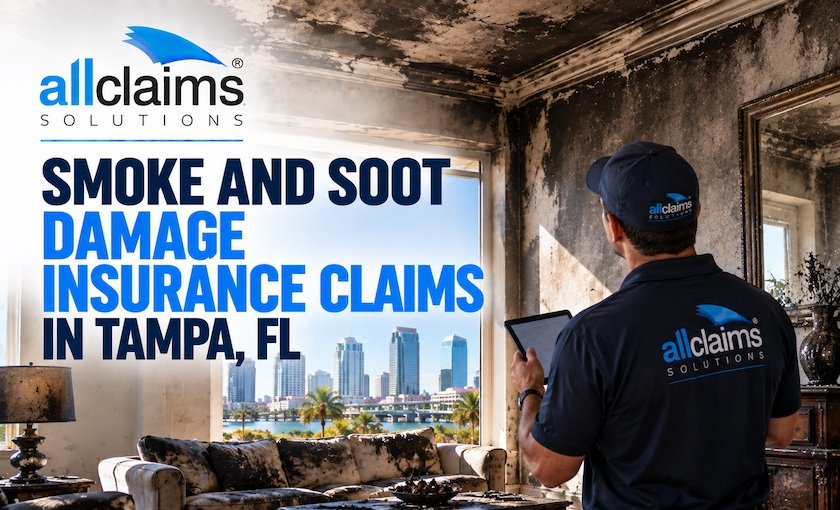
A fire can cause extensive damage even when the flames never directly reach every part of a property.
After a fire, smoke, soot, ash, and persistent odors can travel throughout a home or business, affecting walls, ceilings, flooring, HVAC systems, furniture, electronics, clothing, and personal belongings.
In some cases, smoke damage can extend far beyond the room where the fire originated.
For Tampa property owners, this creates an important question:
Does insurance cover smoke and soot damage after a fire?
Depending on the cause of the loss and the terms of the policy, homeowners insurance or commercial property insurance may provide coverage for certain fire-related smoke and soot damage.
However, the extent of coverage depends on the specific policy, the cause of the fire, the nature of the damage, applicable exclusions, deductibles, limits, and the facts surrounding the loss.
This guide explains what Tampa property owners should know about smoke and soot damage insurance claims and how to properly document a fire-related loss.
What Is Smoke and Soot Damage?
Smoke and soot are two different types of fire-related contamination, although they frequently occur together.
Smoke Damage
Smoke consists of gases and microscopic particles produced during combustion.
Smoke can travel through:
- Walls
- Ceilings
- Doorways
- Electrical openings
- HVAC systems
- Attics
- Ventilation systems
Smoke can leave behind persistent odors and residue even in areas that appear relatively undamaged.
Soot Damage
Soot is a dark, powdery or greasy residue created by incomplete combustion.
Depending on the materials that burned, soot can settle on:
- Walls
- Ceilings
- Cabinets
- Appliances
- Furniture
- Electronics
- Flooring
- Personal belongings
Some types of soot can be particularly difficult to clean and may cause additional damage if improperly handled.
Does Homeowners Insurance Cover Smoke and Soot Damage?
In many situations, homeowners insurance may cover smoke and soot damage resulting from a covered fire.
Florida’s Department of Financial Services identifies fire and smoke among the types of damage that homeowners insurance may cover under dwelling coverage, although actual coverage depends on the policy.
However, it is important not to assume that every type of smoke-related damage is automatically covered.
Insurance companies may evaluate:
- The cause of the fire
- Whether the fire was a covered peril
- The extent of smoke and soot contamination
- Whether damage is direct or resulting damage
- Whether exclusions apply
- The applicable policy limits
- Deductibles
- Whether the property requires cleaning, repair, or replacement
Your insurance policy and the specific circumstances of the loss determine the available coverage.
Smoke Damage Can Affect More Than the Area Where the Fire Started
One of the biggest mistakes property owners can make after a fire is assuming that only visibly burned areas matter.
Smoke can travel throughout a structure.
For example, a fire that begins in a kitchen could potentially result in smoke contamination in:
- Bedrooms
- Living rooms
- Hallways
- Attics
- HVAC ducts
- Closets
- Bathrooms
- Other parts of the structure
Even when walls remain standing and furniture does not appear burned, smoke particles and odors may still affect the property.
This is why a comprehensive inspection and documentation of the entire affected area can be important when preparing a fire-related insurance claim.
Common Types of Smoke and Soot Damage
Smoke and soot can produce several different categories of property damage.
1. Smoke Odor
Smoke odor can remain in a property long after the visible residue has been removed.
Odors can become trapped in:
- Carpeting
- Upholstery
- Curtains
- Clothing
- Mattresses
- Wood materials
- HVAC systems
- Insulation
Simply repainting a wall may not address the underlying contamination.
2. Soot Residue
Soot can settle on surfaces throughout the property.
Depending on the type of fire, soot may be:
- Dry
- Oily
- Sticky
- Powdery
- Difficult to remove
Improper cleaning can sometimes spread contamination rather than eliminate it.
3. HVAC and Air-Duct Contamination
Smoke can move through a property’s ventilation system.
This can potentially affect:
- Air ducts
- HVAC equipment
- Filters
- Registers
- Interior air quality
An appropriate professional assessment can help determine whether the HVAC system requires cleaning, treatment, repair, or replacement.
4. Damage to Personal Property
Smoke can affect belongings even when they were not directly exposed to flames.
Potentially affected items include:
- Clothing
- Furniture
- Electronics
- Appliances
- Books
- Artwork
- Rugs
- Collectibles
- Kitchenware
- Personal documents
Property owners should document these items rather than assuming that only visibly burned belongings matter.
Smoke Damage to Electronics Can Be Especially Difficult to Identify
Electronics may look functional immediately after a fire but still have internal contamination.
Smoke and soot can enter:
- Computers
- Televisions
- Appliances
- Audio equipment
- Security systems
- Networking equipment
Depending on the circumstances, contamination can create corrosion or other problems over time.
If electronics were exposed to smoke or soot, avoid assuming that they are unaffected simply because they turn on.
Professional evaluation and documentation may be appropriate.
What About Smoke Damage When There Was Very Little Fire Damage?
This is an important situation for homeowners.
A property does not necessarily need to have extensive structural fire damage for smoke contamination to become significant.
For example, a relatively contained kitchen fire could produce smoke that travels into other rooms.
Similarly, an electrical fire inside a wall or mechanical area could produce smoke and soot beyond the immediate location of the fire.
The insurance claim should therefore address the full scope of the covered loss, not simply the location where the flames were visible.
Smoke Damage vs. Fire Damage
These terms are related, but they are not necessarily the same thing.
Fire Damage
This generally refers to physical damage caused directly by flames or combustion.
Examples include:
- Burned framing
- Destroyed drywall
- Damaged roofing
- Burned cabinets
- Structural damage
Smoke and Soot Damage
This involves contamination and damage resulting from smoke and combustion byproducts.
Examples include:
- Smoke odor
- Soot deposits
- Discoloration
- Contaminated contents
- HVAC contamination
- Smoke-damaged surfaces
A single fire insurance claim may involve both categories of damage.
What Should You Do After Smoke or Soot Damage?
After a fire, Tampa property owners should focus on safety, mitigation, and documentation.
1. Make Sure the Property Is Safe
Do not enter an unsafe structure simply to photograph damage.
Follow instructions from fire officials and other appropriate professionals before entering areas that may be structurally compromised.
2. Document the Property
Take photographs and videos of:
- Burned areas
- Smoke residue
- Soot deposits
- Discoloration
- Damaged walls
- Ceilings
- Flooring
- Furniture
- Electronics
- Clothing
- Appliances
- Other personal belongings
Photograph both close-up damage and wider views showing where the damage is located.
3. Create an Inventory of Damaged Belongings
Prepare a detailed list of affected personal property.
Whenever possible, include:
- Item description
- Approximate age
- Brand
- Model
- Purchase information
- Estimated replacement cost
- Photographs
Do not assume that only expensive items are worth documenting.
4. Keep Receipts and Expenses
Keep records related to:
- Emergency services
- Temporary repairs
- Cleaning
- Storage
- Temporary housing
- Replacement necessities
- Other expenses related to the loss
Florida DFS recommends documenting damage, making reasonable temporary repairs, maintaining an inventory of damaged items, and saving repair receipts.
Should You Clean Smoke and Soot Damage Yourself?
Be careful.
After a fire, homeowners often want to begin cleaning immediately.
However, smoke and soot can be difficult to remove properly, and different materials may require different cleaning methods.
Before performing extensive cleaning, consider:
- Photographing the damage first
- Documenting affected belongings
- Consulting appropriate restoration professionals
- Keeping records of cleaning and mitigation expenses
- Avoiding disposal of damaged property before it has been documented
Florida DFS specifically advises consumers not to discard damaged items without prior approval from the insurance company.
Don’t Assume Visible Damage Is the Full Damage
Smoke-related claims can become complicated because some damage is not immediately obvious.
Potentially overlooked areas include:
- Behind walls
- Inside cabinets
- HVAC systems
- Attics
- Insulation
- Electrical components
- Flooring materials
- Contents stored in closed rooms
- Upholstered furniture
This is one reason a detailed inspection and documentation process can be important after a fire.
Can Smoke Damage Make a Home Unlivable?
Potentially, yes.
Even if a structure remains standing, extensive smoke contamination, odor, soot, or other fire-related damage may make portions of a home unsuitable for normal occupancy.
Depending on the policy and circumstances, Additional Living Expense (ALE) coverage may help with certain additional costs when covered damage makes a home uninhabitable.
Florida DFS lists Additional Living Expenses as coverage that may help with expenses when a policyholder is displaced because of covered property damage.
Examples may include certain costs associated with:
- Temporary lodging
- Food-related additional expenses
- Transportation
- Other necessary living expenses
Coverage varies by policy, so homeowners should review their specific policy and claim circumstances.
What If the Insurance Company Says the Smoke Damage Is Minimal?
A property owner may receive an estimate that addresses obvious structural fire damage but does not fully account for smoke and soot contamination.
If that happens, carefully review:
- The insurer’s estimate
- The scope of damage
- Photographs
- Restoration reports
- Contents documentation
- HVAC assessments
- Cleaning estimates
- Your policy provisions
Smoke damage is not always limited to what can be seen at first glance.
If you believe the scope of the claim does not accurately reflect the property damage, you may want to have the claim independently reviewed.
What If You Discover Additional Smoke Damage Later?
Additional damage can sometimes become apparent during cleaning, restoration, demolition, or repairs.
For example, restoration work may reveal:
- Hidden soot
- Smoke contamination behind walls
- Additional affected flooring
- Contaminated insulation
- HVAC contamination
- Additional damaged contents
If additional damage is discovered, document it and communicate with your insurer promptly.
Under current Florida law, notice of an initial or reopened property insurance claim generally must be provided within one year after the date of loss, while a supplemental claim generally must be noticed within 18 months. The policy’s notice requirements also matter.
Because claim deadlines and circumstances can be important, property owners should avoid unnecessarily delaying action.
Can You Reopen a Smoke Damage Insurance Claim?
Potentially.
Florida law defines a reopened claim as a claim previously closed by the insurer that is reopened at the insured’s request for additional costs for loss or damage previously disclosed to the insurer. A supplemental claim involves additional loss or damage from the same peril under the circumstances described by the statute.
This distinction can matter when additional smoke or soot damage is discovered after the original claim was adjusted.
If you believe the original claim did not account for the full covered loss, review the claim documentation and applicable deadlines before deciding what steps to take.
What If Your Smoke Damage Claim Is Denied or Underpaid?
A denied or underpaid claim can be frustrating, particularly after an already stressful fire.
The first step is understanding why the insurer reached that conclusion.
Review:
- The denial or coverage letter
- The insurer’s estimate
- Photographs
- Fire department reports
- Restoration documentation
- Personal property inventory
- Policy language
- Deductible
- Applicable exclusions
- Any additional reports or estimates
A denial does not automatically mean that the claim has no further options, but coverage disputes can depend heavily on the policy language and facts of the loss.
How a Public Adjuster Can Help With a Smoke and Soot Damage Claim
A public adjuster represents the policyholder, not the insurance company.
The Florida Department of Financial Services explains that public adjusters can help policyholders adjust and present their claims and must be licensed by the state.
For a significant smoke and soot damage claim, a public adjuster may assist with:
- Inspecting and documenting property damage
- Reviewing the insurance policy
- Preparing claim documentation
- Documenting damaged contents
- Identifying potentially overlooked damage
- Reviewing restoration estimates
- Preparing a detailed scope of loss
- Communicating with the insurance company
- Reviewing the insurer’s estimate
- Negotiating the claim on behalf of the policyholder
This can be especially valuable when the claim involves extensive smoke contamination, significant personal property damage, disputed coverage, or a difference between the homeowner’s documented loss and the insurer’s estimate.
A public adjuster cannot guarantee that a claim will be approved or that a particular settlement amount will be paid.
Public Adjuster vs. Fire Restoration Company
These professionals can play different roles after a fire.
Fire Restoration Company
A restoration company focuses primarily on:
- Emergency mitigation
- Smoke and soot cleaning
- Water removal
- Odor treatment
- Structural drying
- Restoration services
Public Adjuster
A public adjuster focuses on the insurance claim and represents the policyholder.
Their role may include:
- Claim documentation
- Policy review
- Scope of loss
- Claim preparation
- Communication with the insurer
- Claim negotiation
The two services can therefore work alongside one another without being the same thing.
Why Smoke and Soot Claims in Tampa Can Be Complex
A fire loss can involve multiple layers of damage at the same time.
A single claim might include:
Fire damage
↓
Smoke and soot contamination
↓
Water damage from firefighting
↓
Structural damage
↓
Personal property damage
↓
Additional living expenses
This is why it is important to look at the entire loss, rather than focusing exclusively on the area where the fire occurred.
How All Claims Solutions Can Help With Smoke Damage Claims in Tampa
At All Claims Solutions, we help Florida property owners navigate the insurance claim process after property damage.
When a Tampa home or property experiences fire, smoke, or soot damage, our team can help evaluate the claim, document the loss, review the available coverage, prepare claim documentation, and communicate with the insurance company.
Every policy and fire loss is different. The first step is understanding the cause of the loss, the extent of the damage, and the coverage available under the policy.
Experienced Smoke & Soot Damage Claim Assistance in Tampa
If your property has suffered smoke or soot damage after a fire, don’t assume that the visible damage tells the entire story.
Contact All Claims Solutions for a free insurance claim evaluation and learn what options may be available for your property damage claim.
Smoke and Soot Damage Insurance Claim Checklist
Use this checklist after a fire to help organize your documentation:
☐ Fire department report
☐ Date and time of the loss
☐ Photos of fire damage
☐ Photos of smoke and soot damage
☐ Photos of affected rooms
☐ Personal property inventory
☐ Photos of damaged belongings
☐ Appliance and electronics information
☐ Restoration reports
☐ Cleaning estimates
☐ Temporary repair invoices
☐ Storage expenses
☐ Temporary housing expenses
☐ Insurance claim number
☐ Insurance correspondence
☐ Insurance estimate
☐ Denial or coverage letter, if applicable
☐ Copies of your insurance policy
☐ Documentation of additional damage discovered later
All Claims Solutions — Trusted Commercial Public Adjusters Serving Tampa, FL.
 201 E. Kennedy Blvd #1240, Tampa, FL 33602
 24/7 Assistance: (813) 368-5382
 tampa.allclaimssolutions.com
Frequently Asked Questions About Smoke and Soot Damage Insurance Claims in Tampa
It may. Florida DFS identifies fire and smoke among types of property damage that homeowners coverage may address, but the actual coverage depends on the specific policy, cause of loss, exclusions, limits, and circumstances.
Soot damage resulting from a covered fire may potentially be covered. However, the policy and circumstances of the loss determine what damage is covered and to what extent.
Yes. Smoke can travel through a structure and affect rooms, contents, HVAC systems, and other areas even when the flames were limited to one location.
Potentially, depending on the policy and circumstances of the loss. Smoke odor can affect carpeting, furniture, clothing, walls, HVAC systems, and other materials.
Yes. Smoke and soot can enter electronic equipment and may cause contamination or corrosion. Damaged electronics should be properly documented and evaluated.
Prioritize safety, follow instructions from fire officials, document the damage, take reasonable steps to prevent additional damage when safe, notify your insurer, and keep records of expenses and damaged property.
Review the insurer’s estimate against photographs, restoration documentation, contents inventories, and other evidence of the loss. If you believe covered damage has been omitted or undervalued, consider obtaining an independent review of the claim.
Under current Florida Statute §627.70132, an initial or reopened property insurance claim generally must be noticed within one year after the date of loss, while a supplemental claim generally must be noticed within 18 months. Policy requirements also apply.
It depends on the size and complexity of the loss. A public adjuster may be useful when smoke and soot damage is extensive, the claim involves significant contents, the insurer’s estimate appears incomplete, or coverage or valuation is disputed.
Florida regulates public adjuster fees. Current Florida DFS guidance states that fees are generally capped at 20% for non-disaster claims and may be capped at 10% for claims caused by a disaster declared by the Governor during the applicable period. Contract and cancellation requirements also apply.
Need Help With Smoke and Soot Damage Claim in Tampa?
A commercial fire can affect your building, equipment, inventory, operations, and revenue at the same time.
The visible damage is often only one part of the claim.
At All Claims Solutions, our licensed public adjusters help Tampa business owners document and navigate complex commercial property insurance claims, including:
- Fire damage
- Smoke and soot damage
- Water damage
- Commercial property damage
- Equipment losses
- Inventory losses
- Business interruption claims
- Additional expenses
- Denied and underpaid claims
We work for the policyholder—not the insurance company—and help manage the claim process from inspection and documentation through negotiation.
Get a Free Insurance Claim Evaluation →
If your association is dealing with a complex property loss, an underpaid claim, a denied claim, or questions about the scope of damage, contact All Claims Solutions to discuss your situation.
Call All Claims Solutions today for a free claim evaluation.
This article is for general informational purposes only and does not constitute legal, accounting, or insurance coverage advice. Property insurance coverage varies by policy, insurer, endorsements, exclusions, limits, deductibles, and the circumstances of the loss.
Types of Insurance Claims in Tampa FL
Water Damage >
Fire Damage >
Storm Damage >
Flood Damage >
Mold damage >
Structural Damage >